Should Buffalo Homeowners Schedule Chimney Inspection Services Before Winter in Buffalo, NY? A 2026 Guide
Scheduling chimney inspection services before Western New York's brutal lake-effect winters is one of the smartest steps a Buffalo homeowner can take to protect their home and family. Buffalo sits squarely in the path of Lake Erie's coldest, snowiest weather patterns, and chimneys that go unchecked heading into winter can develop problems that become dangerous and expensive. This 2026 guide explains why an inspection matters, what it involves, and when to book one.
Why Buffalo's Lake-Effect Winters Are Hard on Chimneys
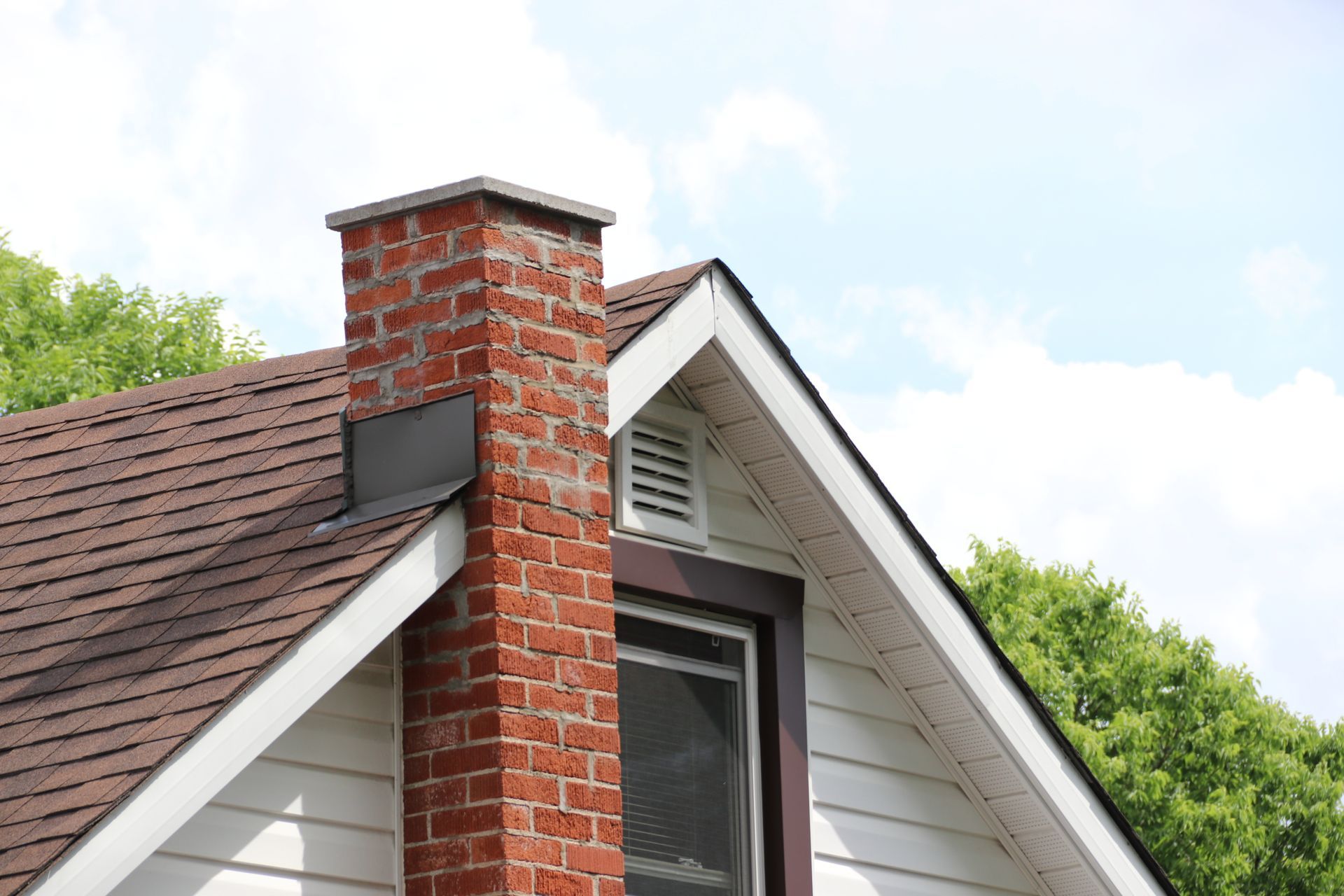
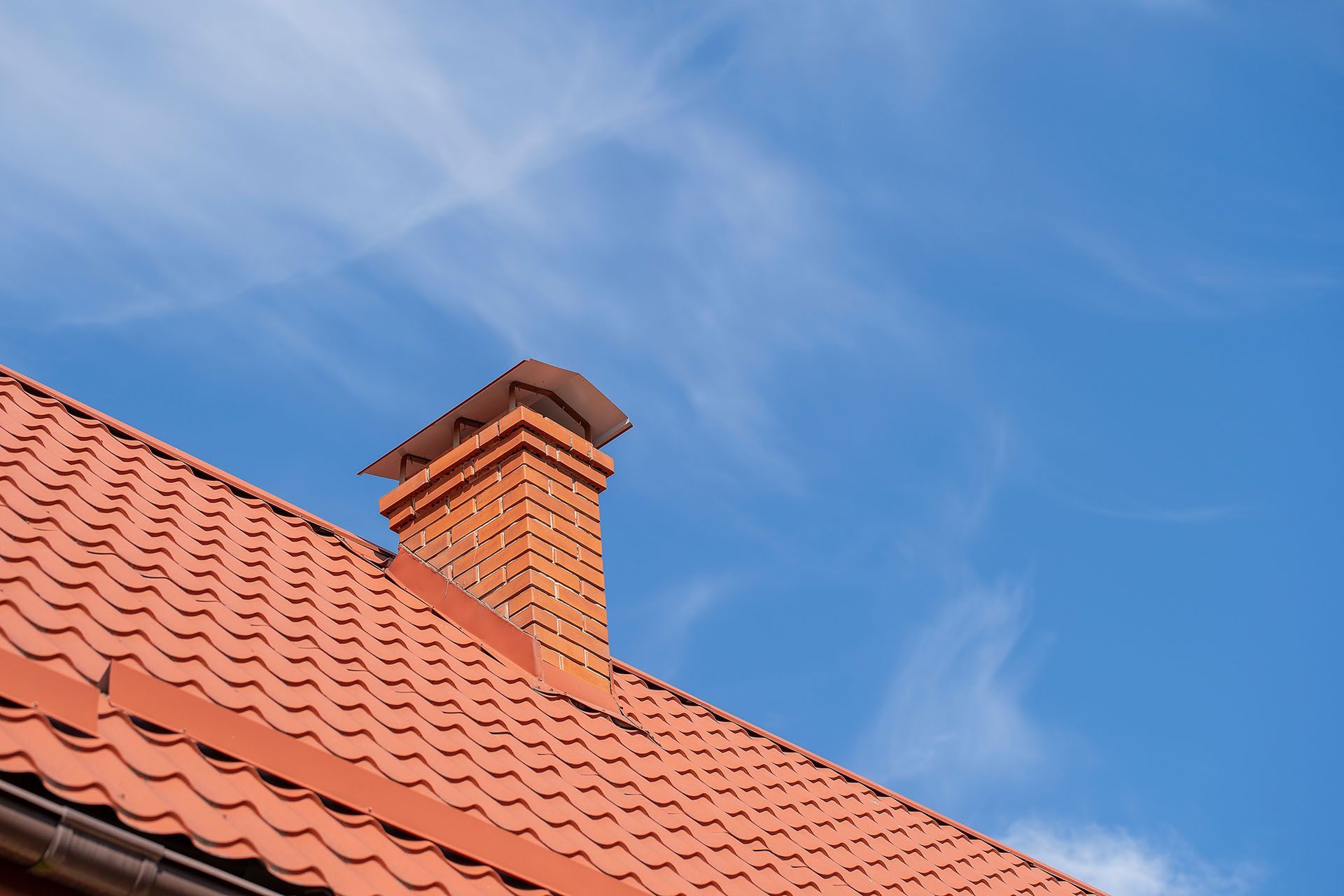
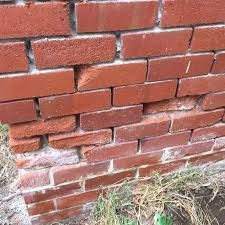
Buffalo winters stress chimneys more than most homeowners realize. The city experiences repeated freeze-thaw cycles throughout the cold season, with moisture working into small cracks in mortar and brick, then expanding as it freezes. Over multiple seasons, this causes bricks to spall, mortar joints to crumble, and flashing to fail around the roofline.
Lake Erie's position directly to the west means Buffalo, Amherst, and Cheektowaga neighborhoods can receive heavy, wet snow very quickly. That snow load on a chimney crown, combined with wind-driven moisture pushing into the flue, accelerates wear faster than a typical New York winter would. Homes in South Buffalo, Black Rock, and the older housing stock of Elmwood Village often have chimneys that have endured decades of this stress, making chimney inspection services an especially important part of pre-season preparation. Even a chimney that looks solid from the yard may have cracking or liner damage that only becomes apparent after a professional review.
What Does a Chimney Inspection Actually Cover?

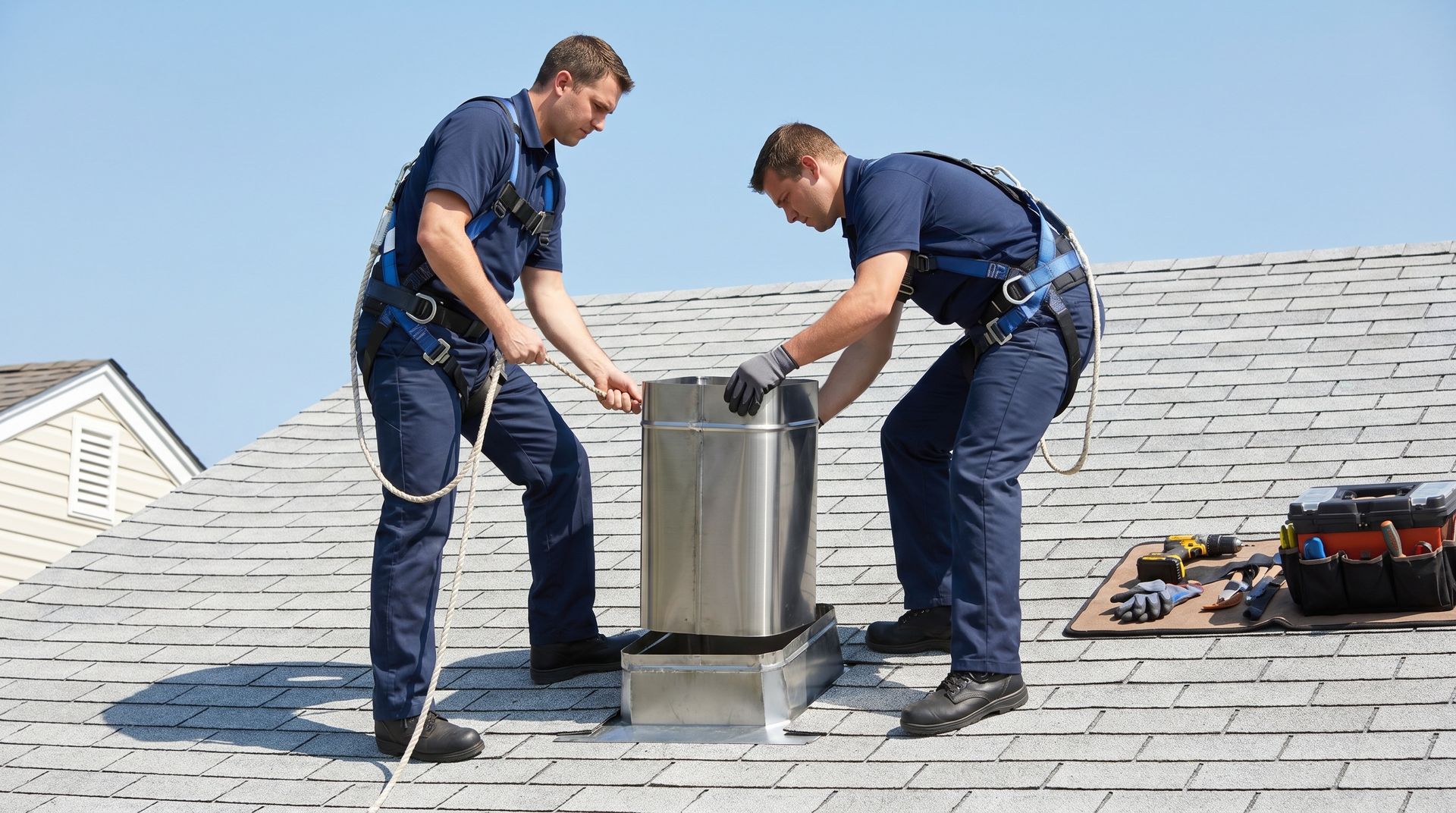
Professional chimney inspection services give a homeowner a clear picture of every component that affects safe fireplace use. There are two levels most homeowners will encounter.
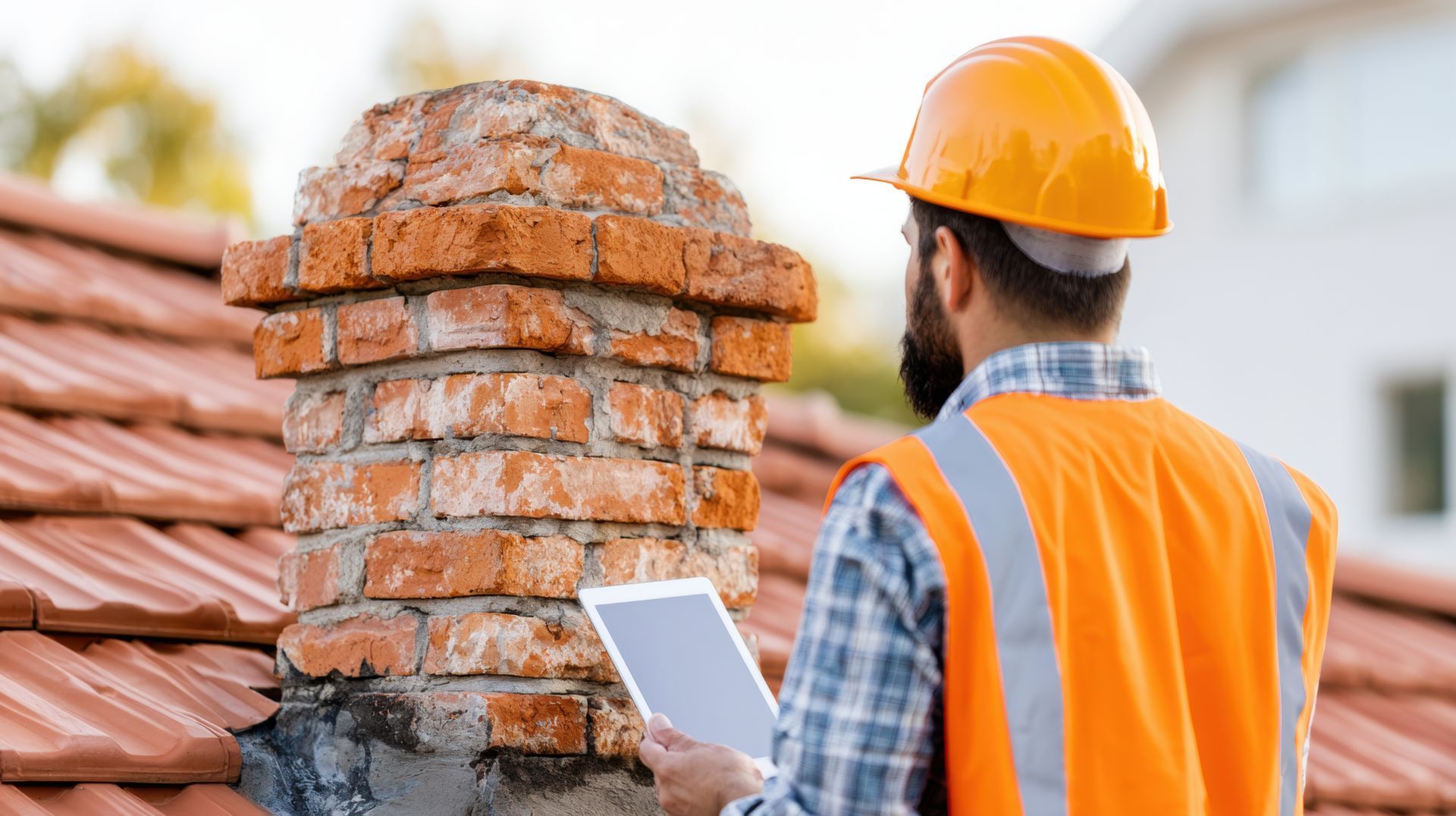
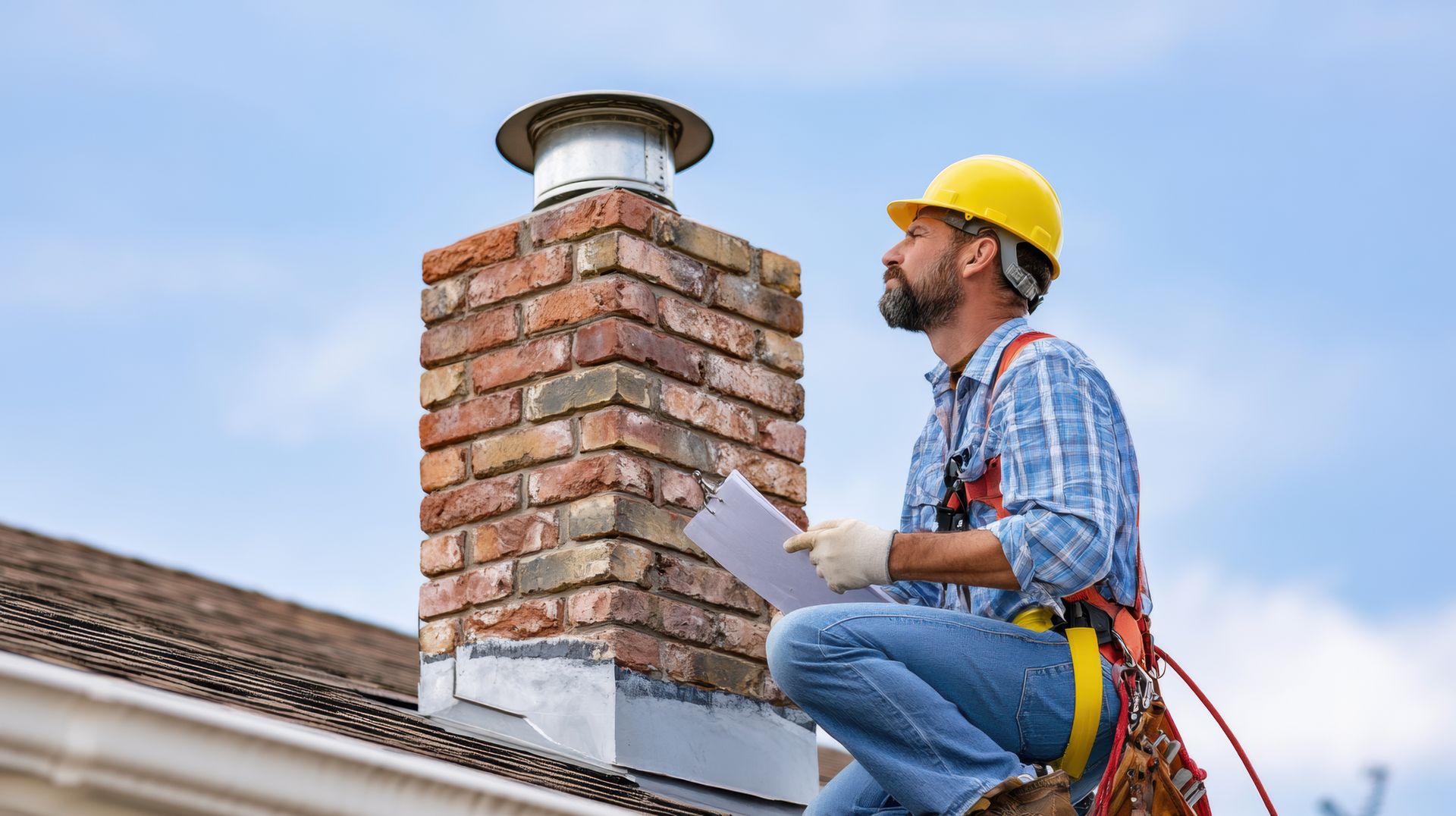
A Level 1 inspection covers all accessible and visible areas of the chimney system. The inspector examines the firebox, damper, smoke chamber, crown, cap, and exterior masonry for obvious signs of damage or deterioration. This is the appropriate starting point for a chimney used regularly without any unusual events.
A Level 2 inspection goes further and may involve camera equipment to view the inside of the flue liner. This level is recommended after a storm, a suspected chimney fire, or when buying or selling a home. In Buffalo's climate, a Level 2 review can be especially valuable after a severe winter, since ice and heavy snow loads sometimes damage components not visible from outside.
Inspectors commonly find the following in homes:
- Creosote buildup that accumulates when wood burns at low temperatures, creating a flammable coating inside the flue.
- Cracked or deteriorated liner sections that allow heat and combustion gases to reach surrounding framing materials.
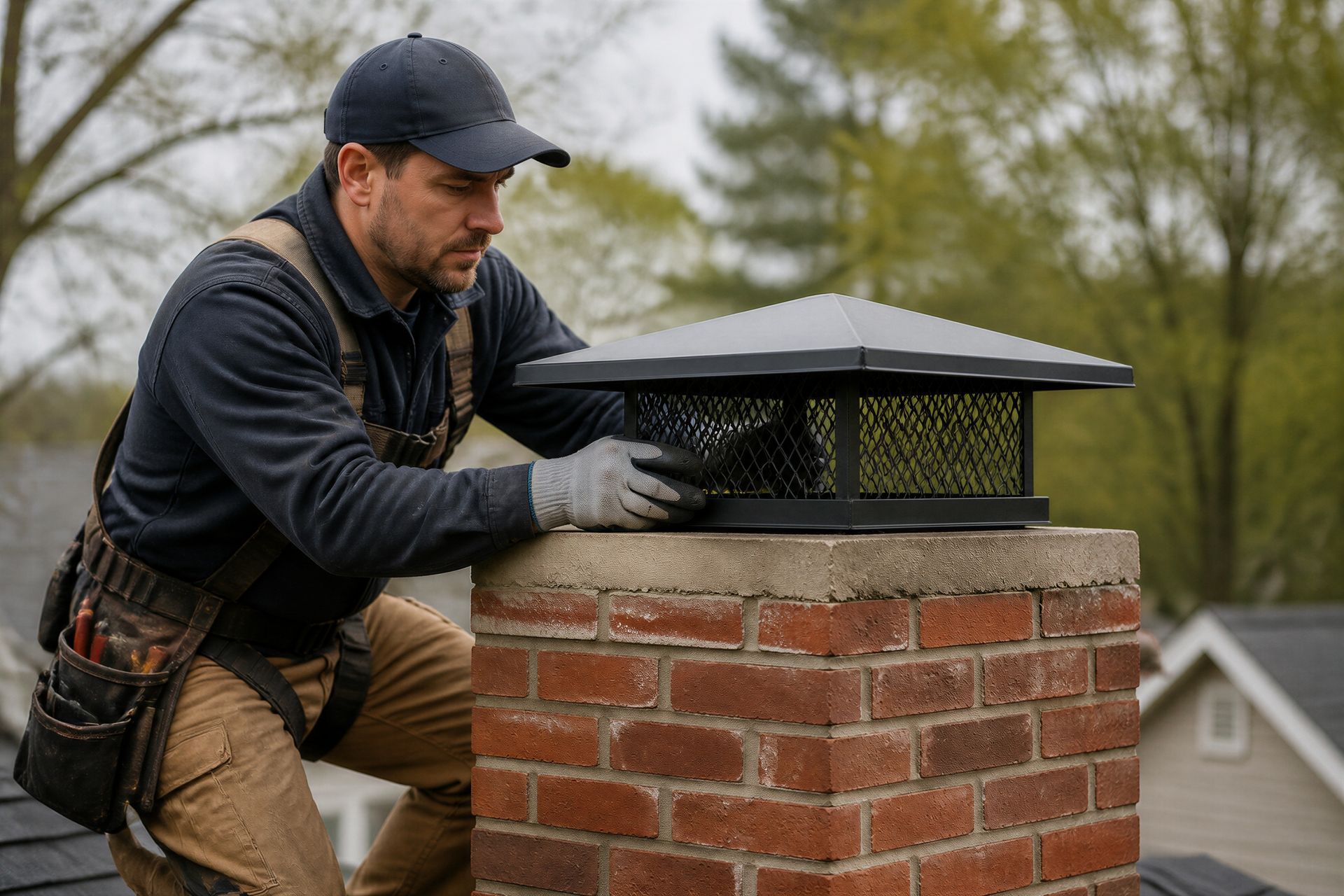
- Animal blockages, particularly from birds and squirrels entering through damaged or missing chimney caps during the off-season.
- Spalling bricks and failed mortar joints caused by years of freeze-thaw exposure.
- Damaged crowns or caps that allow water to run directly into the flue opening.
Finding any of these issues before winter allows time for repairs while the weather is still workable. Masonry repairs typically need moderate temperatures to cure properly, which is one more reason not to wait until November.
When Should Homeowners Schedule in 2026?
The ideal time to book chimney inspection services is late August through October. This allows enough time for any follow-up masonry repair or restoration work before temperatures drop too far for proper curing. By November, contractors across Western New York fill up quickly.
September and early October offer the best combination of available contractor schedules and weather that still supports repair work if needed. Homeowners in Amherst and Cheektowaga who rely heavily on their fireplaces through December, January, and February benefit most from booking during this window.
A few situations make scheduling more urgent. If you noticed unusual smoke, odors, or draft problems last season, something may have changed in the flue or firebox. If a severe storm passed through your neighborhood, the chimney exterior and cap should be reviewed before the heating season begins. And if the chimney has not been inspected in more than a year, a pre-winter review is overdue.
For homeowners considering a larger project following an inspection finding, you can review what that process involves on the
chimney rebuilding and restoration page.
What Happens If You Skip the Inspection?

Skipping chimney inspection services does not mean nothing will go wrong. It means problems that could have been caught in September may not surface until mid-winter, when a chimney repair in Buffalo is harder to schedule and complete safely.
Cracked liner sections are a serious fire and carbon monoxide risk. A blocked flue can cause smoke and gases to back up into living spaces. Deteriorating mortar exposed to another freeze-thaw cycle can require a partial or full chimney rebuild rather than a straightforward repair. Each outcome is more disruptive and costly than catching the issue early through a routine inspection.
The
chimney services blog post covers related topics around chimney care that Buffalo homeowners may find useful as a companion read.
Ready to Protect Your Chimney Before Winter Hits?
Magic Stone serves Buffalo, NY, and surrounding Western New York communities with experienced chimney inspection services and masonry restoration. Our team understands how lake-effect weather conditions affect local chimneys, and we bring honest assessments to every project. If an inspection reveals an issue, we will walk you through what was found and what is actually needed.
We encourage you to reach out before the fall rush. Check our
Google Profile to read reviews from homeowners across the Buffalo area. When you are ready to book,
contact us here. Let us help you head into winter with confidence.
Recent Posts